

Cooling system upgrades are often initiated under pressure. Equipment failures, tenant complaints, or sudden spikes in energy costs can force property owners into quick decisions with limited planning. While urgency is understandable, reactive upgrades frequently lead to mismatched systems, unexpected costs, and performance issues that persist for years.
When decisions are made hastily, critical factors such as system sizing, infrastructure compatibility, and long-term service requirements are often overlooked. This can result in equipment that technically resolves the immediate problem but fails to meet the building’s broader operational needs. Over time, these shortcomings surface as higher utility bills, uneven comfort, and increased maintenance demands.
Taking a step back to evaluate options, even under time constraints, can significantly improve outcomes. A measured approach allows property owners to balance immediate needs with long-term performance, reducing the likelihood of repeat issues and ensuring the upgrade delivers sustainable value rather than temporary relief.
A cooling system is a foundational building component that influences comfort, indoor air quality, operational efficiency, and even tenant retention. The decisions made during the planning phase—system type, layout compatibility, contractor selection, and service strategy—shape not only upfront costs but long-term reliability and operating expenses. A well-planned upgrade supports stability; a rushed one often creates ongoing friction.
Property owners who take a structured, informed approach are better positioned to make investments that align with both current needs and future use. The following sections outline the most critical factors to consider before committing to a cooling upgrade, helping owners move forward with clarity, control, and confidence.
- Assessing the Existing Cooling Infrastructure
- Understanding Building-Specific Cooling Demands
- Evaluating System Efficiency and Long-Term Performance
- Accounting for Heating and Cooling System Integration
- Planning for Hot Water and Mechanical System Impacts
- Considering Service Needs for Larger Properties
- Preparing Cooling Solutions for Nontraditional Spaces
- Selecting Qualified Professionals for the Project
- Coordinating Timelines, Permits, and Site Logistics
- Clarifying Roles, Warranties, and Ongoing Responsibilities
Assessing the Existing Cooling Infrastructure
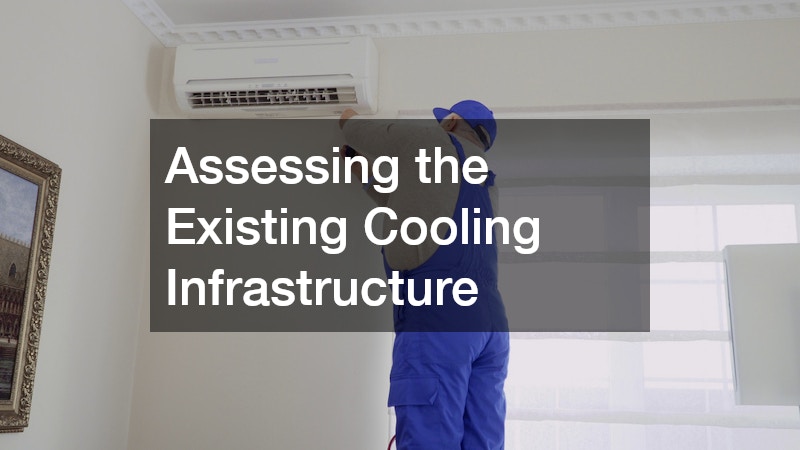
A comprehensive review of existing infrastructure is the foundation of any successful cooling upgrade. Many properties operate with systems that have been altered over time due to renovations, tenant changes, or emergency repairs, often without a unified design strategy. These incremental adjustments can result in inefficient duct layouts, aging electrical components, or airflow restrictions that are not immediately visible but significantly impact overall system performance and comfort.
Understanding the condition and capacity of current infrastructure helps determine what components can be reused and which require upgrades or replacement. Electrical panels, support structures, ceiling cavities, wall access, and drainage systems all influence system selection and layout. Without this knowledge, property owners risk choosing equipment that exceeds the building’s capabilities or triggers costly modifications once installation is underway.
This step is especially critical when considering mini split installation, as these systems rely on strategic indoor unit placement, proper power supply, and effective zoning design. A detailed infrastructure assessment ensures the system can be integrated cleanly into the building, delivering its intended efficiency and flexibility without introducing avoidable complications or long-term service challenges.
Understanding Building-Specific Cooling Demands
Cooling demands are shaped by more than square footage alone. How a building is occupied, when it is used, and what activities occur inside directly affect cooling requirements throughout the day and across seasons. Spaces with high occupancy, extensive lighting, or heat-producing equipment generate significantly different thermal loads than low-traffic or intermittently used areas, even when the physical footprint is similar.
Ignoring these nuances often leads to systems that struggle during peak usage periods or operate inefficiently when demand is low. Accurate demand analysis allows for better system sizing, zoning, and control strategies, which reduces energy waste and prevents unnecessary strain on equipment. It also supports more consistent humidity control, an often-overlooked factor that strongly influences perceived comfort and indoor air quality.
For retail buildings, cooling demand is especially dynamic and unpredictable. Customer traffic fluctuates throughout the day, exterior doors open frequently, and merchandising layouts or lighting configurations may change seasonally. Systems designed with these variables in mind perform more reliably, enhance the overall customer experience, and reduce operational strain by responding effectively to real-world conditions rather than static assumptions.
Evaluating System Efficiency and Long-Term Performance
Efficiency ratings are often emphasized during system selection, but they represent controlled testing conditions rather than everyday operation in a real-world environment. True performance depends on how well the system is sized, installed, and maintained within the specific building it serves. Even a highly efficient unit can underperform if it cycles excessively, struggles with airflow distribution, or fails to manage humidity effectively.
Long-term performance also includes durability, service accessibility, and operational consistency. Systems that require frequent maintenance, rely on proprietary components, or are difficult to service may generate higher costs over time. Evaluating performance should include expected lifespan, maintenance intervals, availability of replacement parts, and the system’s ability to adapt to changes in occupancy or building use.
When planning an ac installation, property owners benefit from examining total cost of ownership rather than focusing solely on upfront price. Systems designed for consistent, reliable performance over many years provide greater value by delivering stable comfort, predictable operating expenses, and a reduced risk of premature replacement or costly repairs.
Accounting for Heating and Cooling System Integration
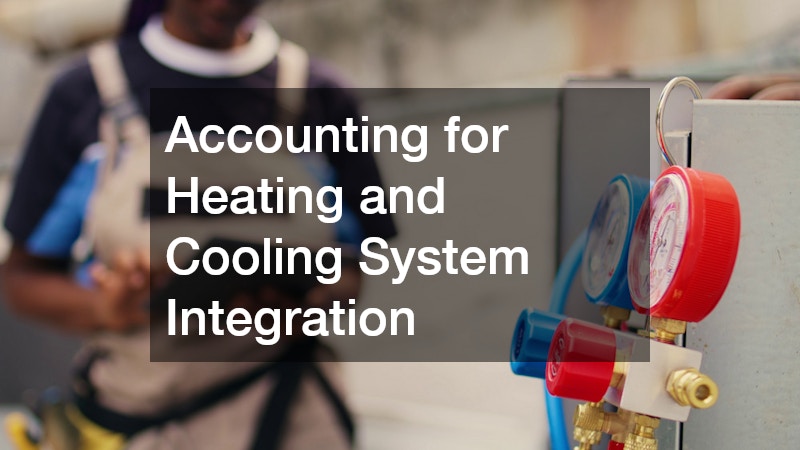
Cooling upgrades should never be evaluated in isolation from heating systems. Many buildings rely on shared ductwork, control systems, and power infrastructure to support both functions, meaning changes to one system inevitably affect the other. Altering cooling equipment without accounting for heating performance can disrupt airflow balance, create control conflicts, or reduce overall efficiency, particularly during seasonal transitions.
Integration planning ensures that heating and cooling systems complement each other rather than compete for resources. This process includes verifying duct sizing, confirming thermostat and control compatibility, and reviewing how systems sequence on and off throughout the year. When integration is handled correctly, buildings experience smoother seasonal changeovers, fewer comfort complaints, and more consistent temperature control across occupied spaces.
Addressing local furnace repair during the planning stage helps ensure existing heating equipment can operate effectively alongside a new cooling system. Identifying and correcting heating issues early prevents future breakdowns and avoids situations where a newly upgraded cooling system exposes weaknesses in older heating components. This proactive approach supports consistent comfort, protects system efficiency, and reduces the risk of unexpected failures during colder months.
Planning for Hot Water and Mechanical System Impacts
Mechanical systems share physical space, utilities, and service access, making coordination essential during any upgrade. Cooling improvements may require additional electrical capacity, new ventilation routes, or changes to equipment placement that directly affect nearby systems. Overlooking these interactions can compromise safety, limit accessibility for maintenance, or create conflicts that reduce overall system performance.
Mechanical rooms that are already crowded or outdated may require reconfiguration to accommodate new equipment safely and efficiently. Planning for proper access clearances, adequate airflow, and code-compliant spacing allows technicians to service equipment without obstruction. This foresight helps prevent long-term maintenance challenges, reduces service time, and supports safer working conditions.
In some cases, coordinating a water heater replacement alongside cooling upgrades is a strategic decision. Addressing multiple systems simultaneously can reduce labor duplication, streamline permitting and inspections, and minimize overall disruption to the property. This coordinated approach ensures that infrastructure improvements support all mechanical needs efficiently while maximizing the return on investment.
Considering Service Needs for Larger Properties
As system size and complexity increase, so do service requirements. Larger properties often depend on multiple cooling units, advanced controls, and integrated monitoring systems that require consistent oversight to function properly. Without structured service planning, minor performance issues such as airflow imbalances or sensor failures can escalate into costly disruptions that affect comfort, productivity, and operational continuity.
Preventative maintenance is especially important in larger environments where downtime impacts multiple occupants or critical operations. Routine inspections, performance testing, and component servicing help identify early signs of wear before they lead to system failure. This proactive approach preserves efficiency, extends system lifespan, and reduces the likelihood of emergency repairs that carry higher costs and longer response times.
Working with providers experienced in commercial hvac service ensures maintenance strategies are tailored to system complexity and building use. These providers understand how to manage multi-unit systems, interpret performance data, and schedule service with minimal disruption. Proactive service planning reduces risk, stabilizes operating costs, and protects the original investment over the long term.
Preparing Cooling Solutions for Nontraditional Spaces

Nontraditional spaces often challenge conventional cooling assumptions. Modular structures, temporary facilities, and remote work environments may lack permanent infrastructure or consistent utility access, making standard system designs impractical. These conditions require flexible solutions that balance performance with practicality while accounting for mobility, limited structural support, and evolving space requirements.
System selection in these environments must consider portability, installation speed, and simplified maintenance. Equipment should be easy to access, quick to deploy, and adaptable to changing layouts or usage patterns. Solutions that work well in permanent buildings may be inefficient or difficult to service in these settings without thoughtful modification, leading to higher operating costs or reduced reliability.
A mobile office illustrates these challenges clearly. Cooling systems must deliver reliable comfort within limited space while accommodating variable power availability and exposure to outdoor conditions. Thoughtful planning ensures comfort without compromising efficiency or safety, allowing occupants to remain productive regardless of location or environmental constraints.
Selecting Qualified Professionals for the Project
The quality of a cooling upgrade depends heavily on the expertise of the professionals involved. Accurate load calculations, proper equipment selection, and precise installation all influence long-term performance, efficiency, and system lifespan. Experienced professionals understand how small design or installation errors can create ongoing problems, and they are better equipped to anticipate challenges before they affect comfort or operating costs.
Beyond technical knowledge, familiarity with local codes, climate conditions, and inspection processes adds measurable value to a project. Professionals who understand regional requirements can navigate permitting more efficiently and design systems that perform reliably under local weather patterns. This insight helps avoid delays, failed inspections, and unnecessary revisions that increase project costs.
Partnering with a local hvac company provides access to this localized expertise along with faster service response when issues arise. Established local providers are more accessible for follow-up service, routine maintenance, and emergency support. These advantages contribute to smoother project execution and ensure reliable ongoing support long after the installation is complete.
Coordinating Timelines, Permits, and Site Logistics
Cooling upgrades involve multiple phases, including planning, permitting, installation, inspection, and commissioning. Poor coordination among these stages can delay projects, disrupt occupants, or inflate costs. Clear timelines help align work with operational needs while providing realistic expectations for all stakeholders involved. When each phase is sequenced correctly, materials arrive on time, inspections occur without rework, and labor resources are used efficiently.
Advance planning is particularly important in occupied properties, where downtime must be minimized and disruptions carefully managed. Coordinated scheduling allows work to be performed during off-hours or low-traffic periods when necessary, reducing the impact on tenants, employees, or customers. This approach also improves safety by limiting overlap between active work zones and daily building operations.
An experienced local contractor plays a critical role in managing logistics, coordinating trades, and maintaining compliance. By overseeing communication between installers, inspectors, and property managers, the contractor helps prevent missteps that cause delays or cost overruns. Effective oversight keeps the project on schedule, maintains quality standards, and ensures the upgrade stays within budget while meeting all regulatory requirements.
Clarifying Roles, Warranties, and Ongoing Responsibilities
Clear documentation is essential for protecting a cooling system investment. Property owners should understand warranty terms, service requirements, and maintenance responsibilities before installation begins. Ambiguity in these areas often leads to missed obligations, denied claims, or disputes that surface only after a problem occurs. Written agreements help ensure that expectations are not left to interpretation and that all parties share the same understanding of system care and coverage.
Defining roles ensures accountability for installation quality, routine service, and future repairs. When responsibilities are clearly assigned, there is less risk of tasks being overlooked or duplicated. This clarity supports consistent upkeep, helps track maintenance history, and protects system performance over time. It also simplifies troubleshooting by making it clear who should respond when issues arise.
Establishing expectations with each contractor involved creates a framework for long-term reliability. This includes outlining response times, service intervals, documentation requirements, and escalation procedures for repairs. Clear responsibilities help preserve warranties by ensuring maintenance standards are met, streamline service coordination by reducing confusion, and provide peace of mind throughout the system’s lifespan by creating a predictable, organized approach to ongoing care.
A cooling upgrade is a significant decision with long-term implications for comfort, efficiency, and operational stability. While equipment selection is important, the planning process ultimately determines whether the investment delivers lasting value or ongoing challenges.
Property owners who take a comprehensive approach—evaluating infrastructure, understanding usage demands, and coordinating systems and professionals—position themselves for success. Thoughtful planning transforms a cooling upgrade from a reactive expense into a strategic improvement that supports both current performance and future growth.