

Creating a healthy home environment for pets involves more than just providing food and shelter. It requires consistent care, thoughtful planning, and attention to cleanliness, safety, and enrichment. Pets rely on their surroundings to support their physical health, emotional stability, and daily comfort. At the same time, maintaining a clean and organized home ensures a better living experience for everyone in the household.
From establishing routines to managing unexpected situations, every decision plays a role in your pet’s well-being. By focusing on practical strategies and staying proactive, you can create a space where both you and your pets thrive.
- Establish a Consistent Wellness Routine With Professional Support
- Create a Clean Living Space With Daily and Weekly Habits
- Prevent Odors and Allergens With Deep Cleaning Strategies
- Plan for Your Pet’s Care During Busy or Travel Periods
- Prepare for Emergencies Before They Happen
- Incorporate Training to Support a Safer Home Environment
- Design Indoor Spaces That Encourage Healthy Activity
- Maintain Air Quality and Reduce Pet-Related Irritants
- Support Socialization and Mental Well-Being
- Keep Fabrics and Surfaces Fresh Between Deep Cleans
- Conclusion
Establish a Consistent Wellness Routine With Professional Support
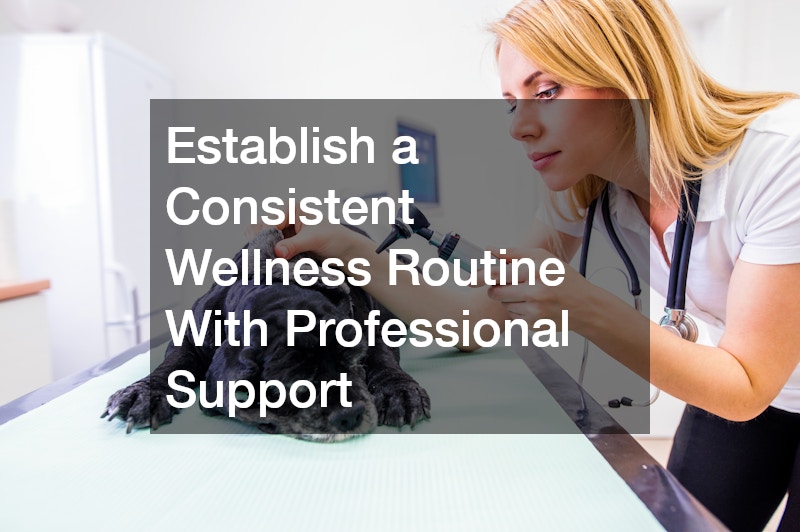
Building a strong foundation for your pet’s health starts with routine care and reliable professional guidance. Regular visits to a veterinarian are essential for monitoring overall health, preventing disease, and catching potential issues early. These visits are not just for vaccinations—they provide an opportunity to discuss diet, behavior, and long-term wellness plans.
Consistency is key. Scheduling routine checkups helps ensure your pet stays on track with preventive care and gives you peace of mind. In addition to planned visits, having access to a same-day vet appointment can be incredibly valuable when unexpected concerns arise. Whether it’s a sudden change in appetite or unusual behavior, quick access to care can make a significant difference.
To stay organized and proactive:
- Keep a dedicated folder or digital file with medical records
- Track vaccination schedules and upcoming appointments
- Note any behavioral or physical changes between visits
- Maintain a list of medications and dosages
- Ask questions during visits to fully understand your pet’s needs
Establishing this routine not only protects your pet’s health but also helps you feel more confident in your ability to respond to changes quickly and effectively.
Create a Clean Living Space With Daily and Weekly Habits
Maintaining a clean home is essential when pets are part of the household. Daily upkeep prevents the buildup of hair, dander, and dirt, while also reducing odors and allergens. A consistent home cleaning routine ensures that your living space remains hygienic without becoming overwhelming.
Breaking tasks into manageable daily and weekly habits can make a big difference. Small efforts each day prevent larger, time-consuming cleanups later. Pay special attention to areas where your pet spends the most time, such as sleeping spots, feeding areas, and favorite lounging furniture.
Incorporating upholstery cleaning into your routine helps maintain the condition of couches, chairs, and other soft surfaces that can trap fur and odors. Regular attention to these areas improves both cleanliness and air quality.
Helpful habits to implement:
- Vacuum high-traffic areas multiple times per week
- Wipe down surfaces to remove dust and pet dander
- Clean food and water bowls daily
- Launder pet bedding on a consistent schedule
- Rotate and clean blankets or covers on furniture
By staying consistent with these practices, you create a more comfortable environment that supports both your pet’s health and the overall cleanliness of your home.
Prevent Odors and Allergens With Deep Cleaning Strategies
Even with regular maintenance, deeper cleaning is necessary to fully eliminate embedded dirt, odors, and allergens. Carpets and upholstered surfaces tend to trap pet hair, oils, and accidental messes, making them a priority for periodic deep cleaning.
Hiring professional carpet cleaners can help remove deeply embedded debris that standard vacuuming may miss. This not only improves the appearance of your home but also enhances indoor air quality. Pairing this with routine upholstery cleaning ensures that all soft surfaces remain fresh and hygienic.
To maximize the effectiveness of deep cleaning:
- Schedule professional services at least once or twice a year
- Address stains immediately to prevent long-term damage
- Use protective treatments to extend the life of carpets and furniture
- Consider seasonal cleaning to manage shedding cycles
- Focus on areas where pets frequently rest or play
Deep cleaning is an investment in both your home and your pet’s well-being. It reduces allergens, eliminates odors, and creates a healthier living environment overall.
Plan for Your Pet’s Care During Busy or Travel Periods

Life can get busy, and there will be times when you need additional support to ensure your pet is well cared for. Planning for these moments is essential to maintaining consistency in your pet’s routine.
Whether you’re traveling or managing a demanding schedule, options like pet boarding and pet daycare can provide safe, structured environments for your pet. Choosing the right facility requires careful research and consideration.
When evaluating care options:
- Visit the location in person to assess cleanliness and safety
- Ask about staff training and supervision levels
- Review daily schedules for feeding, exercise, and rest
- Check vaccination requirements for all animals
- Observe how pets interact within the environment
Preparation is equally important. Provide clear instructions about your pet’s habits, dietary needs, and preferences. Bringing familiar items, such as toys or bedding, can also help ease the transition.
By planning ahead, you ensure your pet continues to receive consistent care and attention, even when your schedule changes.
Prepare for Emergencies Before They Happen
Unexpected situations can arise at any time, making preparation a crucial part of responsible pet ownership. Knowing where to turn and how to respond can significantly impact the outcome during urgent situations.
Familiarize yourself with local emergency vet services and keep their contact information easily accessible. In addition, having access to a same-day vet appointment can help address urgent but non-life-threatening concerns without delay.
Creating a pet emergency plan includes:
- Assembling a kit with essentials such as bandages, medications, and contact numbers
- Keeping a list of nearby emergency facilities
- Knowing the fastest routes to veterinary clinics
- Learning basic first aid techniques for pets
- Identifying warning signs that require immediate attention
Being prepared reduces stress and allows you to act quickly when it matters most. It ensures that your pet receives timely care and increases the likelihood of a positive outcome.
Incorporate Training to Support a Safer Home Environment
Training plays a significant role in maintaining a safe and harmonious household. Well-trained pets are less likely to engage in behaviors that could lead to accidents, damage, or stress.
Working with experienced dog trainers can help address specific challenges while reinforcing positive habits. Training is not just about obedience—it’s about communication, structure, and mutual understanding.
Key areas to focus on include:
- Teaching basic commands such as sit, stay, and come
- Establishing boundaries within the home
- Addressing destructive behaviors early
- Reinforcing calm behavior during high-energy moments
- Encouraging consistent routines for feeding and activity
Training requires patience and consistency, but the long-term benefits are substantial. It creates a safer environment for your pet and makes daily interactions more enjoyable.
Design Indoor Spaces That Encourage Healthy Activity

Providing opportunities for physical activity is essential for your pet’s overall health. Indoor environments can be designed to support movement, play, and mental stimulation, even when outdoor access is limited.
Creative solutions, such as incorporating an indoor dog swimming pool, can offer low-impact exercise that is especially beneficial for certain breeds or older pets. These types of activities help maintain joint health while providing a fun and engaging outlet for energy.
To create an activity-friendly environment:
- Designate specific areas for play and exercise
- Rotate toys to keep engagement high
- Include interactive puzzles or enrichment tools
- Ensure flooring is safe and easy to clean
- Provide comfortable spaces for rest and recovery
Balancing activity with relaxation helps your pet stay physically fit while also supporting emotional well-being.
Maintain Air Quality and Reduce Pet-Related Irritants
Air quality is an often-overlooked aspect of maintaining a healthy home environment. Pets can contribute to allergens such as dander and hair, which can affect both humans and animals.
A consistent home cleaning routine plays a major role in reducing these irritants. In addition to cleaning, consider using tools and strategies that improve air circulation and filtration.
Effective approaches include:
- Using air purifiers with high-efficiency filters
- Vacuuming frequently with specialized equipment
- Washing pet bedding regularly
- Keeping litter boxes and feeding areas clean
- Opening windows to improve ventilation when possible
Maintaining good air quality supports respiratory health and creates a more comfortable living space for everyone.
Support Socialization and Mental Well-Being
Mental stimulation and social interaction are essential components of your pet’s overall health because they directly influence behavior, emotional regulation, and even physical well-being. Pets that receive enough mental engagement are less likely to develop destructive habits such as excessive barking, chewing, or restlessness. Just as physical exercise strengthens the body, cognitive and social enrichment strengthen a pet’s ability to adapt to different environments and situations.
Structured environments like pet daycare can offer valuable social experiences by exposing pets to controlled group settings where they can safely interact with other animals under supervision. These environments help pets learn appropriate social cues, such as reading body language, sharing space, and responding calmly to new stimuli. Over time, this exposure can reduce fear-based reactions and improve overall confidence. Additionally, working with dog trainers can help reinforce positive behaviors during these interactions by teaching commands and techniques that encourage calm engagement, recall reliability, and respectful play habits.
To support mental well-being, it is important to integrate a variety of intentional practices into your pet’s routine:
- Schedule regular playtime and interaction that goes beyond basic exercise. Focus on activities that require attention and problem-solving, such as fetch variations, hide-and-seek games, or short training sessions that reinforce obedience while keeping your pet mentally engaged.
- Introduce new environments gradually to avoid overwhelming your pet. This might include short visits to new parks, different walking routes, or controlled introductions to new animals and people. Gradual exposure helps build confidence without triggering stress responses.
- Provide toys that challenge and engage your pet, such as puzzle feeders, treat-dispensing toys, or interactive games that require effort to obtain rewards. Rotating toys regularly also helps maintain interest and prevents boredom.
- Monitor your pet’s comfort level in social settings by observing body language such as tail position, ear movement, vocalizations, and pacing. Recognizing signs of discomfort early allows you to adjust the situation before stress escalates.
- Balance activity with quiet time to ensure your pet has adequate opportunities to rest and decompress. Overstimulation can be just as harmful as under-stimulation, so creating a predictable rhythm between play, social interaction, and rest is essential for emotional stability.
A well-socialized pet is more confident, adaptable, and content, which translates into fewer behavioral challenges and a more peaceful household dynamic.
Keep Fabrics and Surfaces Fresh Between Deep Cleans

Maintaining freshness between deep cleaning sessions helps preserve the overall cleanliness of your home by preventing dirt, oils, and pet-related debris from settling deep into fibers and surfaces. When maintenance is handled consistently, it reduces the frequency of heavy restorative work and keeps your home feeling comfortable on a daily basis. Small, consistent efforts are especially important in households with pets because shedding, dander, and occasional messes accumulate quickly if left unaddressed.
Professional carpet cleaners can handle more intensive cleaning when needed, particularly when stains, odors, or embedded debris become difficult to manage through routine care alone. However, relying solely on deep cleaning services can lead to faster wear on materials if buildup is allowed to persist between visits. Regular upkeep bridges this gap by maintaining surface-level cleanliness and protecting the integrity of flooring and furnishings in the long term. It also helps prevent odors from becoming embedded, which is often harder to correct after the fact.
Practical tips for ongoing maintenance:
- Address spills and accidents immediately by blotting rather than rubbing, using pet-safe cleaning solutions, and focusing on complete moisture removal to prevent staining or lingering odors. Quick response is especially important on carpets and upholstered surfaces where liquids can quickly seep into deeper layers.
- Use washable covers on frequently used furniture to create a protective barrier against fur, dirt, and oils. These covers should be washed on a regular schedule and swapped out as needed to maintain freshness without requiring constant deep cleaning of the underlying fabric.
- Groom pets regularly to reduce shedding and dander buildup throughout the home. Brushing your pet several times a week (or daily for heavy shedders) significantly decreases the amount of hair that ends up embedded in rugs, furniture, and corners of rooms.
- Rotate rugs and cushions to distribute wear more evenly and prevent certain areas from becoming permanently discolored or compressed. This also helps maintain a more uniform appearance throughout living spaces, especially in high-traffic zones.
- Keep cleaning supplies easily accessible for quick use so that small messes can be addressed immediately rather than delayed. Having designated cleaning stations in key areas of the home encourages consistency and makes routine maintenance far more manageable.
These simple habits make a significant difference in maintaining a clean and inviting space for both you and your pet, while also extending the lifespan of household surfaces and reducing the need for intensive restoration work.
Conclusion
Maintaining a healthy home environment for pets requires a thoughtful balance of cleanliness, structure, and proactive care. By staying consistent with routines, preparing for unexpected situations, and creating spaces that support both activity and rest, you can ensure your home remains a safe, comfortable, and welcoming place for every member of the household.